
Adobe Photoshop is the gold standard in photo editing and digital art. Whether you’re enhancing images, creating social media graphics, or designing digital paintings, Photoshop offers endless creative potential. However, for beginners, it can seem overwhelming. This guide reveals essential tips and secrets that will help you grow from a novice to an expert, step by step.
Understanding the Photoshop Workspace
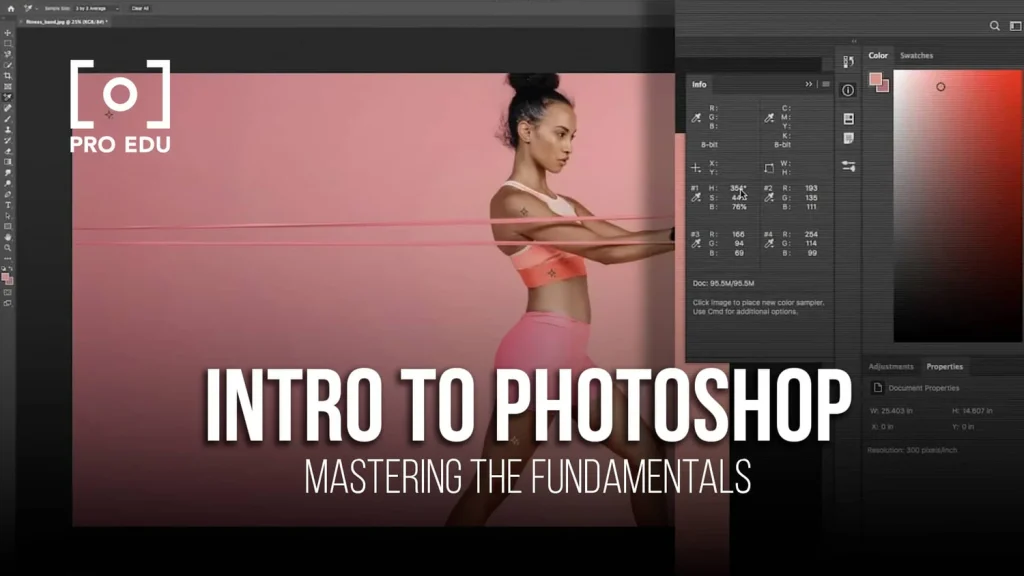
Photoshop’s interface may seem complex at first, but once you understand the basics, it’s built for efficiency.
Get Comfortable with Panels and Tools
Start by familiarizing yourself with the Tools Panel on the left and the Options Bar at the top. Use the Move Tool (V) to reposition elements, and experiment with Marquee (M) and Lasso Tools (L) for selections. The Layers Panel is your best friend—learn to organize, group, and name your layers for efficient editing.
Customize Your Workspace
Go to Window > Workspace > Essentials (Default) to reset the layout. You can also create a personalized workspace by dragging and docking panels as you like. This flexibility allows you to design an environment tailored to your workflow.
From Basic Edits to Advanced Techniques
With a solid understanding of the interface, it’s time to explore editing tools and techniques that will elevate your skills.
Master Non-Destructive Editing
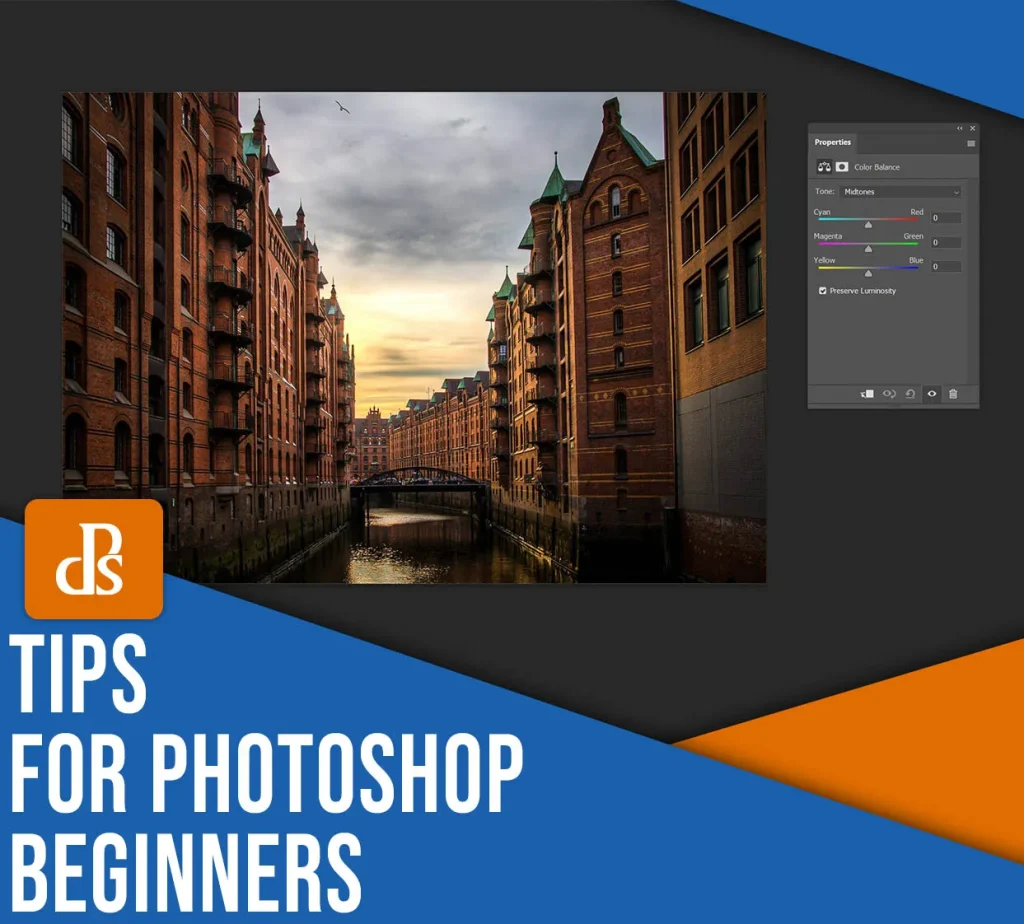
Always work nondestructively. Use Adjustment Layers (like Levels, Curves, and Hue/Saturation) instead of directly editing the image. Layer masks allow you to hide or reveal parts of a layer without erasing content, which is essential for professional-level work.
Learn Keyboard Shortcuts
Keyboard shortcuts can drastically speed up your workflow. Here are a few essentials:
- Ctrl + T (Cmd + T on Mac) – Free Transform
- Ctrl + Z (Cmd + Z) – Undo
- B – Brush Tool
- E – Eraser Tool
- Ctrl + Alt + G – Create Clipping Mask
Memorizing even a handful of these can save hours over time.
Use Smart Objects
When applying filters, convert your layers to Smart Objects. This lets you edit the filter settings later without damaging the original image. Right-click on a layer and choose Convert to Smart Object to start.
Expert-Level Secrets and Tips
Once you’re comfortable with the essentials, it’s time to unlock secrets that separate amateurs from professionals.
Use Blend Modes Creatively
Blend modes change how layers interact. For example, set a texture layer to Overlay or Soft Light for dramatic effects. Experiment with different modes to discover unique styles.
Dodge & Burn for Realistic Depth
Professionals often use Dodge (O) to lighten and Burn (O) to darken specific areas. This helps add dimension to portraits and makes lighting look more natural. For subtlety, use a soft brush and low exposure.
Leverage Photoshop Actions
Actions are recorded steps that can be reused to speed up repetitive tasks. You can create your own or download free actions online. They’re great for batch editing or creating consistent styles across multiple images.
Practice with Projects
To really improve, apply your skills to real projects. Redesign a poster, retouch an old photo, or recreate a famous movie scene. The more you practice, the more confident and creative you’ll become.
Conclusion
Photoshop is a vast and powerful tool, but with the right approach, anyone can become an expert. By mastering the basics, adopting non-destructive techniques, and exploring advanced features, you’ll unlock your creative potential and speed up your workflow. Practice regularly, stay curious, and don’t be afraid to experiment—your Photoshop journey from beginner to expert starts now.